Master Baker Eliana
Table of Contents
Why Is My Cake Dense Instead of Fluffy
If you’ve ever wondered why is my cake dense instead of fluffy, you’re not alone. It’s one of the most common baking problems beginners face. You follow the recipe, measure the ingredients, and still end up with a heavy, thick cake instead of a soft and airy one.
The good news? Most cake texture problems come down to a few simple baking mistakes that are easy to fix. Once you understand what’s going wrong, you can make light, soft, and perfectly fluffy cakes every time.
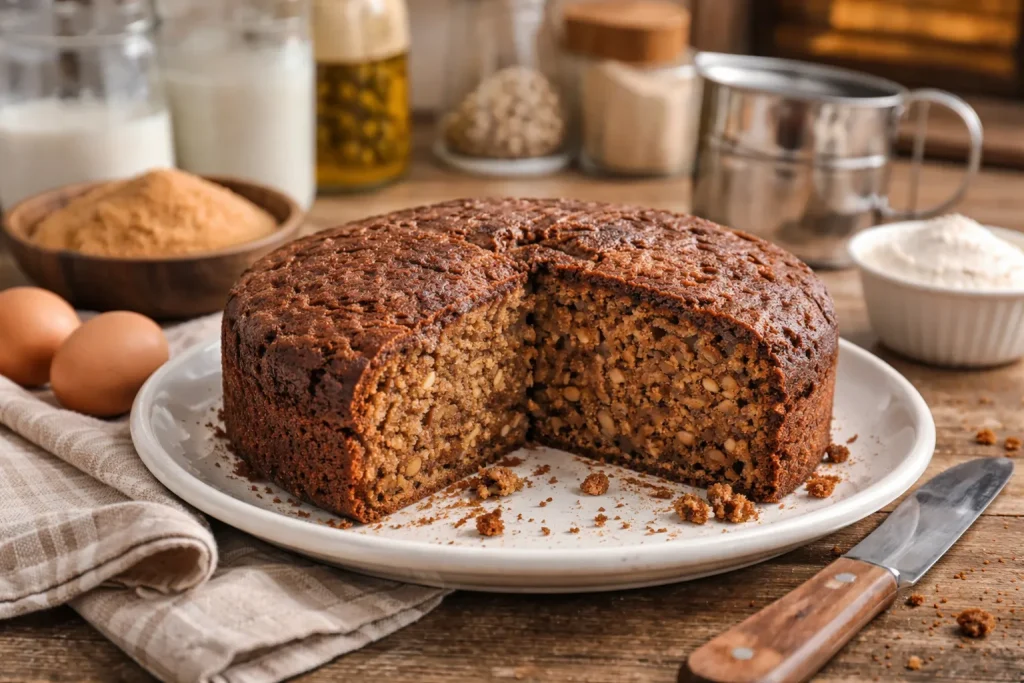
Here are 10 Common Reasons Your Cake Is Dense (And How to Fix Them)
1. Overmixing the Batter
Overmixing develops too much gluten, making your cake dense and chewy.
Fix:
Mix just until the ingredients are combined. Stop as soon as the batter looks smooth.
2. Incorrect Ingredient Measurements
Too much flour or too little liquid can ruin the texture.
Fix:
Always level your measuring cups and avoid packing flour. For best results, use a kitchen scale.
3. Expired Baking Powder or Baking Soda
Leavening agents help your cake rise. If they’re expired, your cake won’t be fluffy.
Fix:
Check freshness before baking. Replace every 3–6 months.
4. Oven Temperature Issues
If the oven is too hot or too cold, your cake won’t rise properly.
Fix:
Use an oven thermometer and always preheat your oven.

5. Using Cold Ingredients
Cold eggs, butter, or milk don’t mix well and affect texture.
Fix:
Bring all ingredients to room temperature before baking.
6. Too Much Liquid or Flour
Even small mistakes in measurement can affect the final texture.
Fix:
Follow the recipe exactly and avoid guessing measurements.
7. Not Preheating the Oven
Putting batter into a cold oven prevents proper rising.
Fix:
Always preheat your oven for at least 10–15 minutes.
8. Opening the Oven Too Early
This causes the cake to collapse and become dense.
Fix:
Avoid opening the oven during the first 20–25 minutes.
9. Using the Wrong Pan Size
A pan that’s too small or too large affects baking time and texture.
Fix:
Use the pan size mentioned in the recipe.
10. Overbaking the Cake
Overbaking dries out the cake and makes it hard.
Fix:
Check doneness with a toothpick. Remove once it comes out clean.
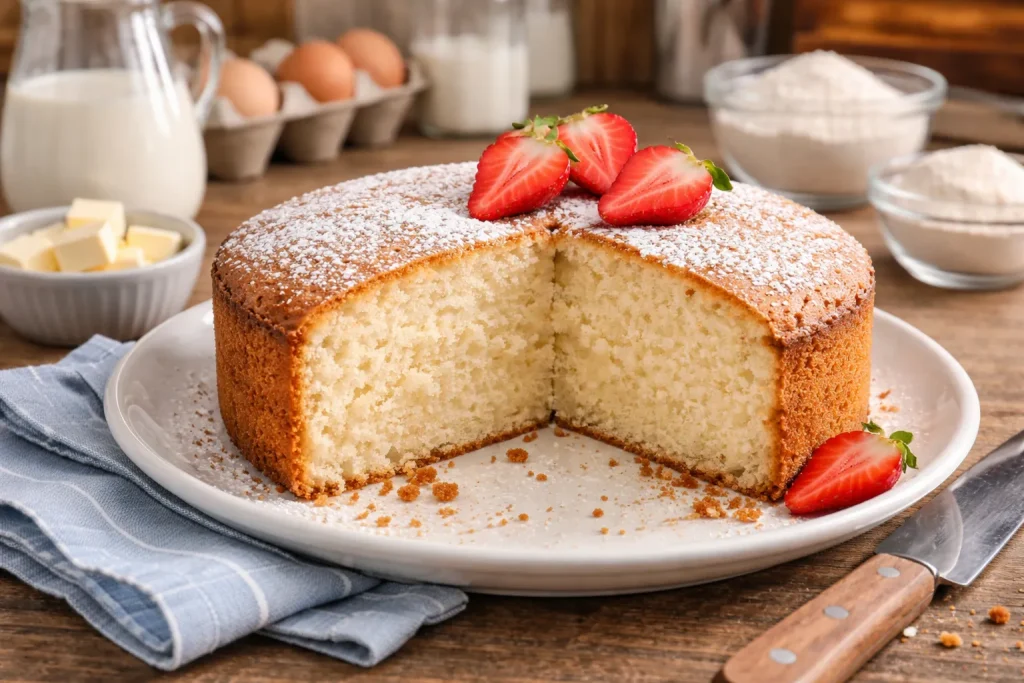
Pro Tips for Soft and Fluffy Cakes:
- Use room temperature ingredients
- Sift dry ingredients for better texture
- Don’t skip the creaming step (butter + sugar)
- Use the correct oven rack (middle position)
- Measure ingredients carefully
More Recipes



FAQs
Why is my cake rubbery instead of soft?
A rubbery cake is usually caused by overmixing or too much flour.
Why didn’t my cake rise properly?
This usually happens due to expired baking powder, wrong measurements, or low oven temperature.
Can I fix a dense cake after baking?
You can improve it slightly by adding syrup or frosting, but the texture can’t be fully fixed once baked
How do I make my cake extra soft and fluffy?
Use fresh ingredients, measure accurately, and avoid overmixing. These simple soft cake tips make a big difference.
Conclusion
Getting a soft and fluffy cake isn’t complicated once you understand the basics. Most baking mistakes are small but have a big impact on texture. By following these simple tips, you can avoid common cake texture problems and bake perfect cakes every time.